What to Bring on a Sea Cave Trip in Mallorca
Preparing for a guided sea cave trip in Mallorca? Here's exactly what's typically provided by operators, and what to bring yourself.
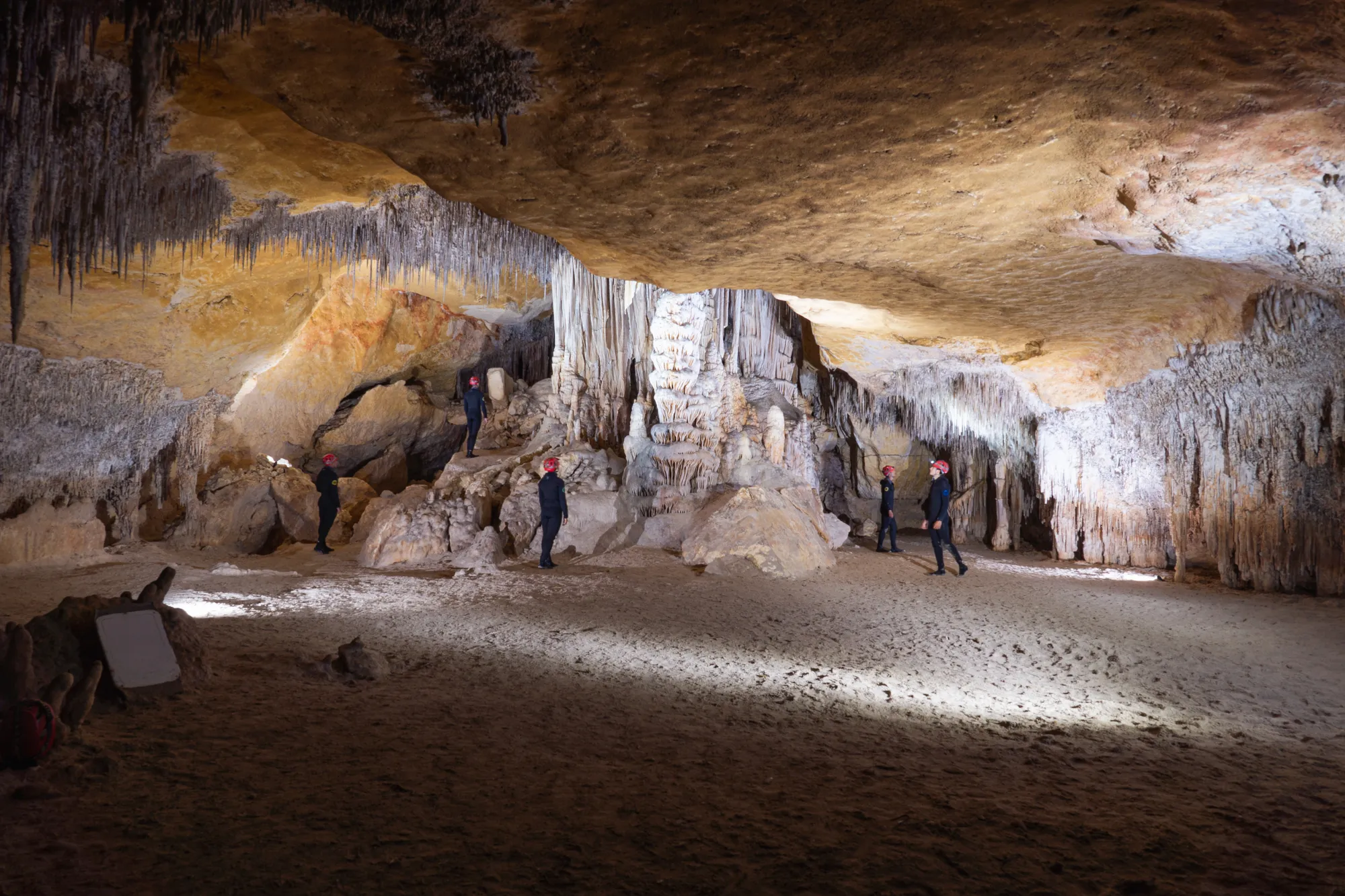
Provided Equipment: What the Experts Supply
On a guided sea cave trip such as Skualo Porto Cristo's Sea Cave Trip by Boat, the specialist equipment is taken care of. You can expect:
- A 5mm wetsuit — thick enough for thermal protection in the cooler water inside the cave, and providing significant buoyancy.
- A helmet — for protection around low ceilings and rock.
- A waterproof headlamp — essential, since the caves have no installed lighting.
- Guidance throughout — from briefing on the boat to the route inside the cave itself.
In short: you don't need to own, buy, or pack any specialist gear to take part.
Your Packing List: What to Bring from the Hotel
With the technical gear covered, your own packing list is short:
- Swimwear to wear under the wetsuit (a swimsuit, board shorts, or a rash vest all work well).
- A towel for after the trip.
- A full change of dry clothes — you'll want to get out of damp swimwear afterwards.
- Sun protection (hat, sunglasses, reef-safe sunscreen) for the boat journey to and from the cave.
- A reusable water bottle, especially in summer.
- Any motion sickness medication, if you're prone to it and the trip involves a boat journey.
Avoid cotton clothing for the trip itself — it stays wet and uncomfortable for hours.
A Note on Cameras and Phones
It's tempting to want photos of a halocline or a sunlit cave chamber, but standard phones and cameras don't mix well with swimming, splashing, and wet rock. Most operators recommend leaving regular phones and valuables securely on the boat.
If you do want to capture the experience, a securely strapped action camera or a properly sealed waterproof phone case (with a wrist or neck strap) is the safer choice. Either way, check with your operator beforehand about what's realistic to bring into the cave itself.
Leave valuables behind
Passports, wallets, jewellery and anything you'd be upset to lose are best left at your accommodation, or at minimum in a secure bag on the boat — not carried into the cave.
Footwear for Sea Caving
Closed-toe water shoes or neoprene boots are ideal. The cave floor and entry points can include loose rock, pebbles, and uneven, sometimes slippery surfaces, and bare feet or flip-flops aren't a good match for either. Some operators provide suitable footwear as part of the trip — check in advance if you need to bring your own.
How Little You Actually Need
Looking at the two lists above, the pattern is clear: the operator provides the wetsuit, helmet and light — the things that would be impractical to travel with — and you bring the basics you'd pack for any day at the beach. If you're also wondering about the safety side of things, see is sea caving safe?
Frequently Asked Questions
No. On a guided sea cave trip such as the one run by Skualo Porto Cristo, a wetsuit (typically 5mm for thermal protection and buoyancy), helmet, and waterproof headlamp are provided as part of the experience. You don't need to own or transport any specialist gear.
Only if it's properly waterproofed and secured. Most operators recommend leaving regular phones and cameras safely on the boat, since the cave environment involves swimming, splashing, and sometimes scrambling over wet rock. If you want photos, a secured action camera or a waterproof phone case with a wrist strap is the safer option.
Swimwear is the standard choice — a swimsuit, board shorts, or a rash vest underneath. Avoid cotton clothing, which stays wet and uncomfortable. Bring a towel and a full change of dry clothes for after the trip.
Closed-toe water shoes or neoprene boots are ideal, as the cave floor and entry points can include rock, pebbles, and uneven surfaces. Many operators provide or recommend these; check with your tour operator if you need to bring your own.
Continue exploring
Is Sea Caving Safe? A Guide for Beginners and Families
A reassuring, practical look at the real safety considerations behind a guided sea cave trip.
Read moreSea Cave Tours in Mallorca: How to Choose
Hiking tours vs boat tours, what premium operators include, and our recommended guided option.
Read moreCova des Coloms, Mallorca: The Complete Sea Cave Guide
A full guide to Mallorca's Cova des Coloms — what's inside, how to reach it, and the Menorca name mix-up explained.
Read more