Is Sea Caving Safe? A Guide for Beginners and Families
If the idea of swimming into a dark cave makes you a little nervous, you're not alone. Here's an honest look at the real safety considerations — and why most concerns turn out to be smaller than they sound.
Understanding the Environment: Not for the Claustrophobic?
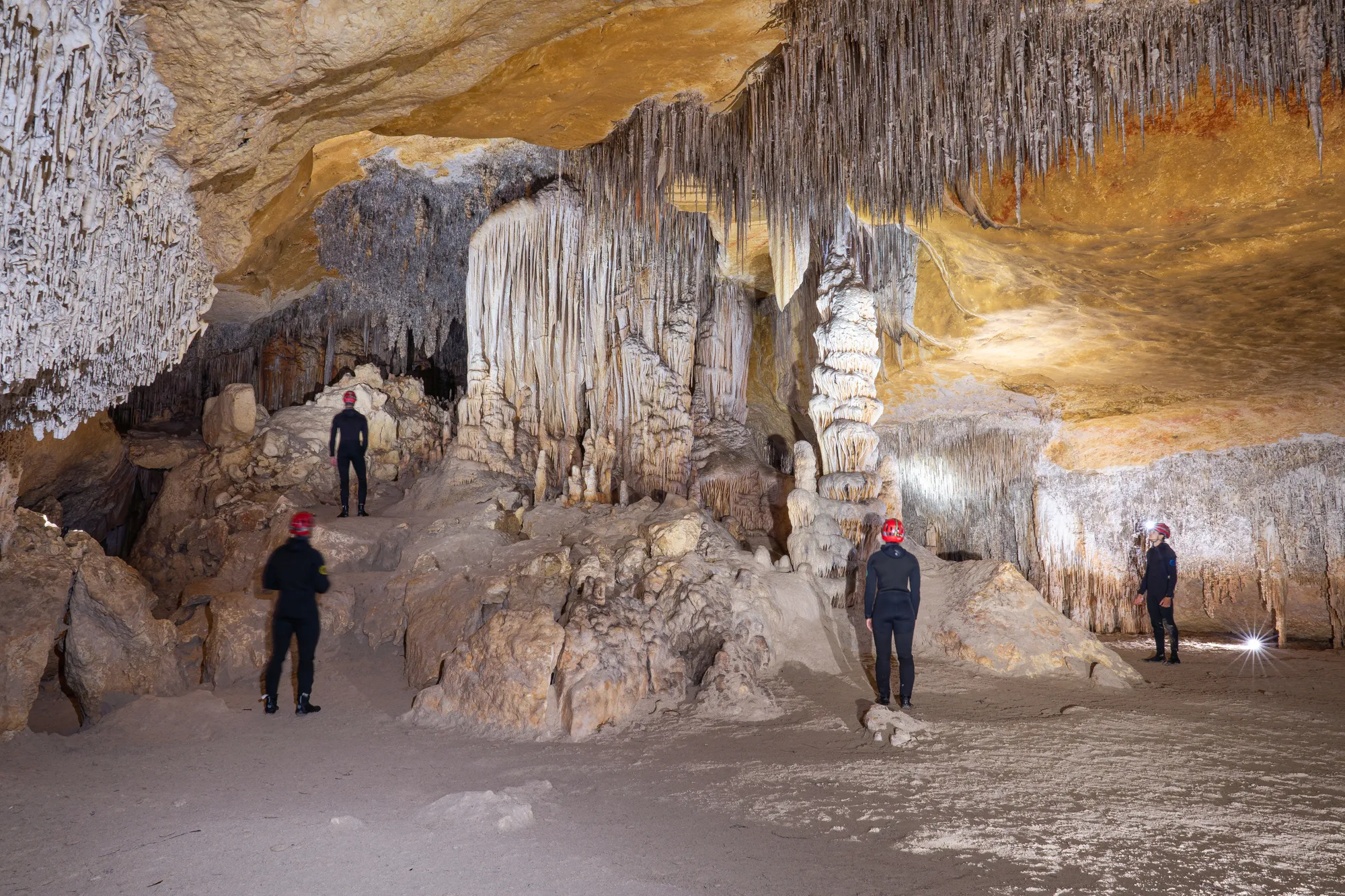
The word "cave" can conjure images of tight, dark tunnels — and that puts some people off before they've even looked into it further. In practice, the caves covered on this site, particularly Cova des Coloms, are quite different. Cova des Coloms is a large chamber with a high, vaulted ceiling, and in places, a partial opening to the sky above the water. Most visitors describe it as feeling spacious and airy, not cramped.
That said, every cave is a little different, and routes can pass through narrower sections at points. If you have significant claustrophobia, it's worth mentioning this to your guide before you set off — they can adjust the route or pace, or talk you through what to expect at each section in advance.
Do I Need to Be an Expert Swimmer?
No. This is one of the most common misconceptions about sea caving, and it's worth addressing directly: a 5mm neoprene wetsuit provides substantial buoyancy. Floating in one takes very little effort — noticeably less than swimming in normal clothes or swimwear. For most of the swimming involved, you're not so much "swimming hard" as gently moving through the water while the wetsuit does the floating for you.
Guides also keep groups together at a pace suited to the slowest member, and can offer support — including a tow — if anyone gets tired. You're never expected to swim unsupported distances. For more on what swimming inside one of these caves actually feels like, see can you swim inside a cave in Mallorca?
What if I get tired partway through?
Tell your guide. Groups move at a pace that works for everyone, and guides are equipped to help anyone who needs it — there's no expectation that you'll push through alone.
The Importance of Marine Weather Monitoring
The sea conditions along the Llevant coast can change. Wind direction, swell size, and visibility all affect whether it's sensible to take a boat out and enter a cave safely and comfortably. Established operators check these conditions before every departure — and, importantly, are willing to postpone or reschedule a trip rather than go ahead in conditions that aren't suitable.
This is one of the less visible but most important parts of a safe sea cave trip: the decisions made before you even arrive at the marina.
Why an Established Operator Is Non-Negotiable
Sea caving combines several things that are each manageable on their own — open-water swimming, navigating around rock formations, and working in low-light conditions — but which benefit enormously from experienced guidance. The track record of the operator you choose matters more here than almost any other factor.
This is the basis for our recommendation throughout this site: an operator with decades of experience on this stretch of coast, recognised training credentials such as PADI 5-star status, and well-maintained safety equipment removes nearly all of the guesswork.
What to look for in an operator
- 30 years on the water
- A long-established operator working from the Porto Cristo marina.
- PADI 5-Star Centre
- Recognised training and safety standards for guided water activities.
- Small group sizes
- Guided sea cave trips are kept deliberately small.
- Direct boat access
- No coastal hike — depart and return by boat from the marina.
Is It Safe for Kids?
Many operators welcome older children and capable teenagers, though minimum ages and requirements vary and depend on swimming confidence in open water. If you're planning a family trip, check the specific age and ability requirements on the operator's booking page, and consider what to bring with our packing guide for a sea cave trip.
Frequently Asked Questions
Most visitors are surprised by how open Cova des Coloms feels — it's a large chamber with a high, vaulted ceiling and, in places, an opening to the sky above, rather than a tight tunnel. That said, anyone with significant claustrophobia should mention it to their guide beforehand so the route and pace can be adjusted.
Many operators welcome older children and capable teenagers on guided sea cave trips, though minimum ages and requirements vary by operator and depend on swimming ability and confidence in open water. Always check the specific age and ability requirements on the operator's booking page before reserving for a family group.
A 5mm wetsuit provides substantial buoyancy, so floating requires very little effort even when tired — it's quite different from swimming in normal clothes. Guides also keep groups together at a manageable pace and can offer support or a tow if needed. You're never expected to swim unsupported distances.
Established operators monitor marine weather conditions, including wind, swell and visibility, before every departure. If conditions aren't suitable for a safe and comfortable cave entry, trips are postponed or rescheduled rather than run regardless. This is one of the clearest reasons to book with an established, experienced operator.
Sea caving combines open-water swimming, navigation around rock formations, and working in low-light conditions — all manageable with the right guidance, but worth taking seriously. An operator with a long track record, proper safety equipment, and qualified guides (such as a PADI 5-star centre) removes nearly all of the guesswork for visitors.
Continue exploring
What to Bring on a Sea Cave Trip in Mallorca
What operators provide, what to pack from your hotel, and advice on cameras and valuables.
Read moreSea Cave Tours in Mallorca: How to Choose
Hiking tours vs boat tours, what premium operators include, and our recommended guided option.
Read moreCan You Swim Inside a Cave in Mallorca?
What it's actually like to swim inside an anchialine cave, including the halocline effect and water temperature.
Read more