About Sea Caving Mallorca
Sea Caving Mallorca is an independent guide to the sea caves of Mallorca's Llevant coast, written for visitors who want to understand what they're looking at — and how to see it safely.
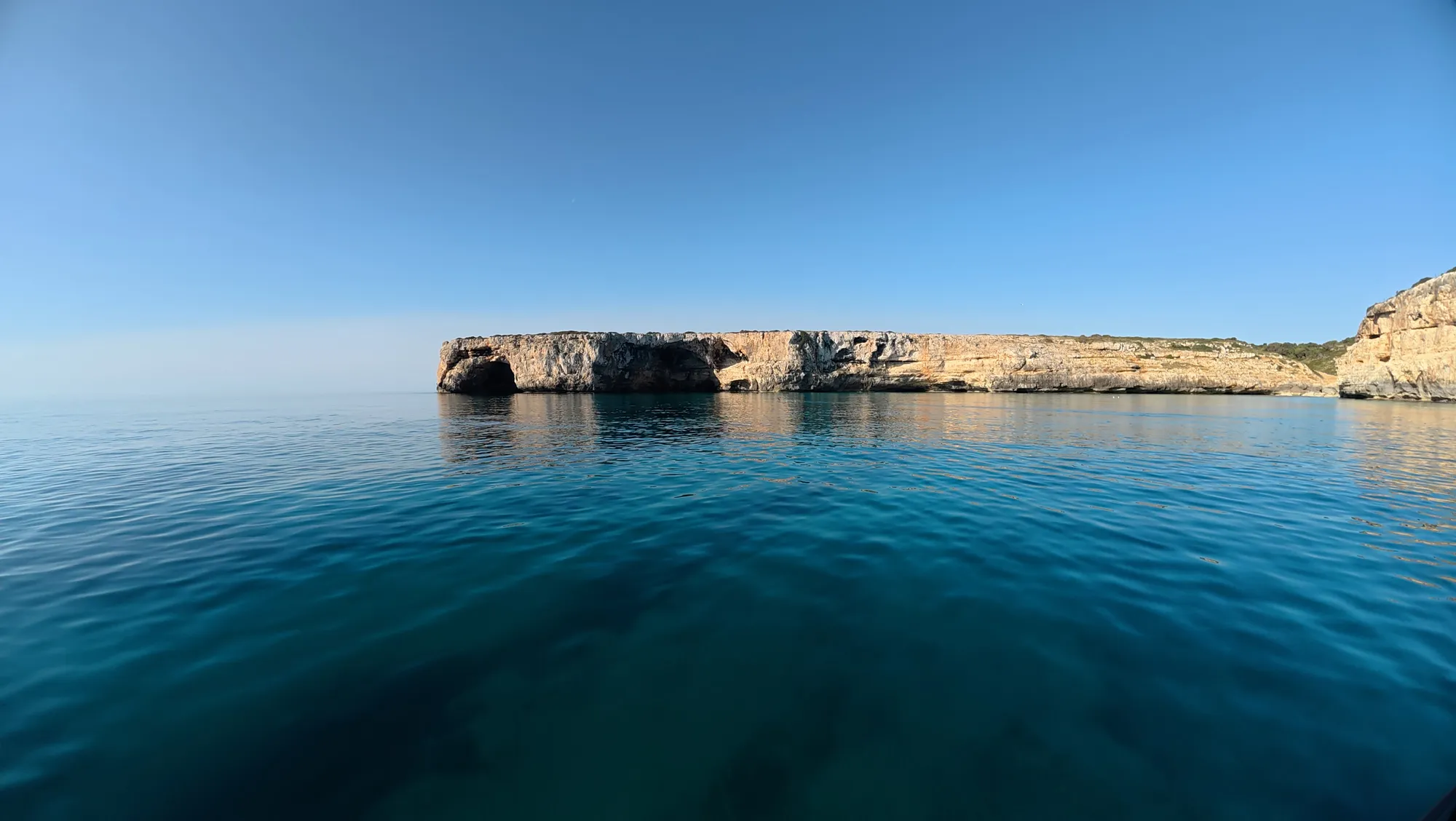
What This Guide Is
This site exists to answer the questions we think most visitors actually have before exploring a sea cave in Mallorca: what is sea caving, where do you do it, what's it like inside, is it safe, and what should you bring. It's built around the Llevant coast near Porto Cristo, with a particular focus on Cova des Coloms, the cave most visitors ask about.
We're not a tour operator, and this site isn't run by one. It's an editorial guide — closer in spirit to a travel guidebook chapter than a booking platform — covering the geology, geography, and practicalities of this stretch of coastline.
Our Approach to Recommendations
Throughout this guide, you'll see references to Skualo Porto Cristo's Sea Cave Trip by Boat as a recommended way to experience a sea cave. That recommendation is based on a simple set of criteria, all explained in context as they come up:
- It departs by boat directly from Porto Cristo marina, avoiding the long coastal hike to Cala Varques.
- It includes the equipment most visitors would otherwise need to source themselves — wetsuit, helmet and light.
- It runs in small groups, with guides who monitor conditions before each trip.
- The operator has an established track record on this coastline, including PADI 5-star credentials.
We try to make this recommendation in context — as the logical next step once you've understood what sea caving involves — rather than as a constant, repeated sales pitch. If you'd like to see it directly, here's the same recommendation you'll find throughout the site.
A Note on Accuracy and Sources
We've tried to be careful with claims that are easy to get wrong — particularly around the protected status of the coastline, the geology of the caves, and the physical demands of getting to them. Where we describe the area as ecologically sensitive or close to a protected network such as Red Natura 2000, that reflects the wider Llevant coast and Cales de Manacor area, not a claim about the formal status of any single cave. If you spot something that looks out of date or inaccurate, we'd rather know about it than leave it uncorrected.
Where to Start
If this is your first visit to the site, the Sea Caving in Mallorca guide is the best place to begin — it links out to everything else, including the safety guide, the packing list, and the Cova des Coloms deep-dive.
Continue exploring
Sea Caving in Mallorca: A Complete Guide to the Island's Coastal Caves
What sea caving actually involves, how Mallorca's coastline was formed, and where to start exploring.
Read moreSea Cave Tours in Mallorca: How to Choose
Hiking tours vs boat tours, what premium operators include, and our recommended guided option.
Read moreThe Best Sea Caves in Mallorca to Explore
An overview of the sea caves along the Llevant coast, including Cova des Coloms and the Pirate Cave at Cala Varques.
Read more