The Best Sea Caves in Mallorca to Explore
Mallorca's Llevant coast hides dozens of sea caves, but only a handful are well known and realistically visitable. Here's an overview of the ones worth knowing about.
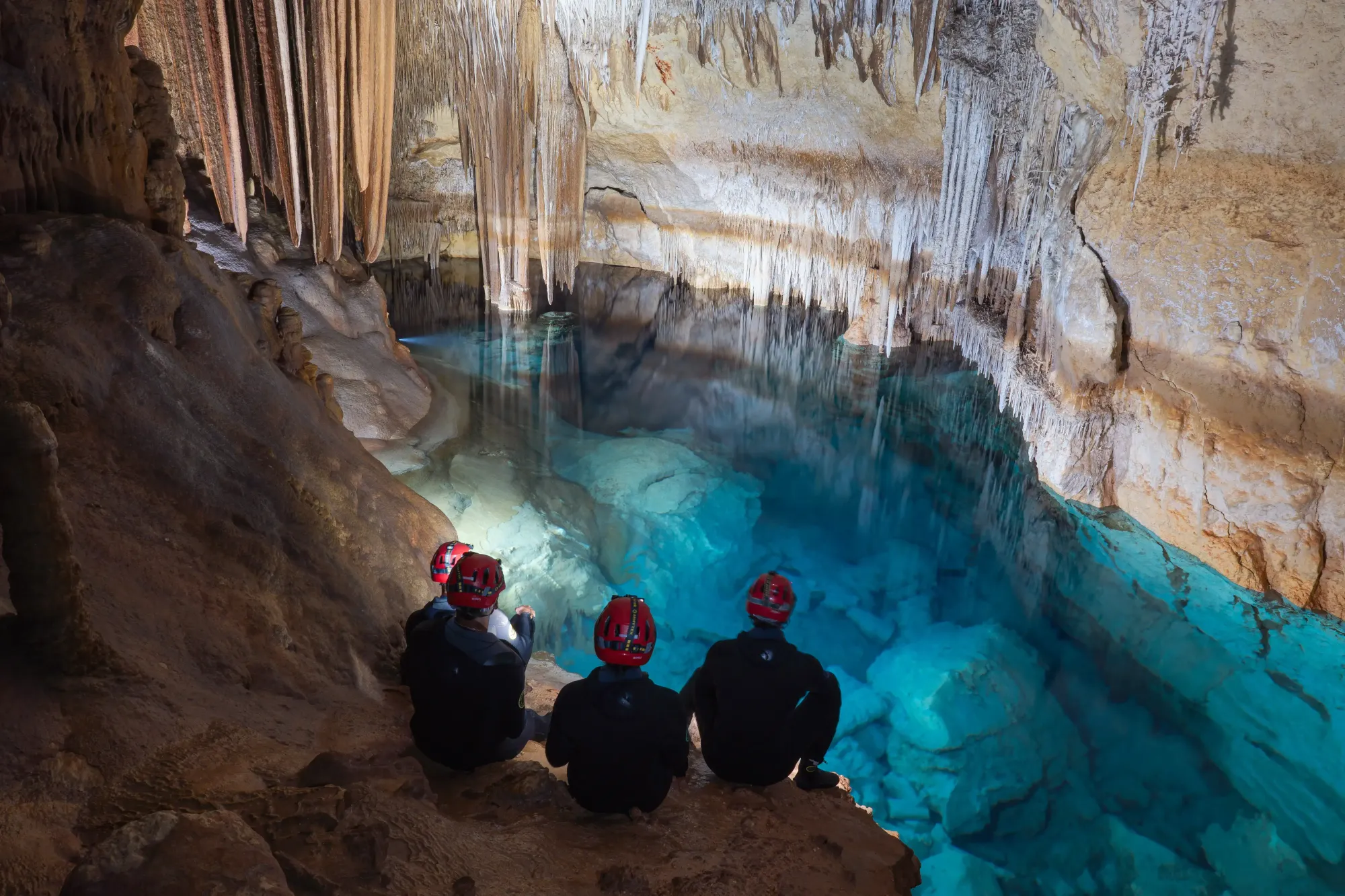
Cova des Coloms: The Cave Most People Mean
When people search for sea caves near Porto Cristo, they're usually thinking of Cova des Coloms, near Cala Varques. It's one of the best-known sea cave experiences on this coast — not necessarily because it's the largest cave on the island, but because it combines a few things that are hard to find together: a sizeable chamber, a partial opening to the sky that lets natural light flood in, and a clear, swimmable pool of brackish water inside.
It's also the cave that most guided sea cave trips from Porto Cristo are built around, which makes it the natural starting point for this list. We cover it in full — including the Menorca naming mix-up, what to expect inside, and how to get there — in our dedicated Cova des Coloms guide.
The Pirate Cave, Cala Varques
A short distance from Cova des Coloms, in the same general area around Cala Varques, a smaller sea cave is sometimes nicknamed the "Pirate Cave" by visitors and local guides. It's shallower and more compact than Cova des Coloms, and is often explored by snorkellers swimming out from the cove itself rather than as part of a formal tour.
It's a good example of the kind of casual discovery that's possible if you're already comfortable swimming in open water along this coastline — though as with any sea cave, conditions can change quickly, and it's worth checking conditions and going with others rather than alone.
A Note on "Blue Cave" Names
You may come across references to a "Blue Cave" in Mallorca, often by comparison to famous sea caves elsewhere in the Mediterranean, such as Capri's Blue Grotto. Mallorca doesn't have a single, official cave with this name — the term tends to get applied informally to whichever cave a visitor found with particularly vivid blue water on the day, often depending on light and weather conditions. If you've seen the term used online, it's worth treating it as a description rather than a specific, bookable location.
Why You Cannot Explore Every Cave on Mallorca
Mallorca is honeycombed with cave systems, and some of them are genuinely vast. The Cova des Pas de Vallgornera system, for example, is one of the longest known cave systems in Spain, with passages running for tens of kilometres underground. Exploring caves like this requires advanced cave-diving certification, technical equipment, and often specific access permissions — it is not something that's arranged as a holiday activity, and it isn't open to casual visitors.
Sticking to accessible caves
Every cave covered in detail on this site — Cova des Coloms and the smaller caves around Cala Varques — is reachable at sea level, without technical diving qualifications, when accompanied by an experienced guide.
Are These Caves Lit Inside?
No. None of the sea caves described here have installed lighting — that's one of the clearest differences from a show cave like the Cuevas del Drach. Light comes either from the cave entrance, from a natural opening above (as at Cova des Coloms), or from the waterproof headlamps that guides provide. It's part of what makes the experience feel different: you're seeing the cave the way it actually looks, not the way it's been lit for an audience.
How to Visit These Caves
Most of the caves on this list can be reached on foot with a long walk and an open-water swim, but the more practical and considerably more comfortable option for most visitors is a guided boat trip from Porto Cristo. Our guide to sea cave tours in Mallorca compares the options in detail.
Frequently Asked Questions
Cova des Coloms, near Cala Varques, is one of the best-known sea cave experiences on this stretch of coast, largely because of its size, its partly open ceiling, and the clarity of the water inside. It is the cave most guided sea cave trips from Porto Cristo are built around.
No. Unlike the Drach or Hams show caves, the sea caves described here have no installed lighting. Light enters only through the entrance or, in the case of Cova des Coloms, through a partial opening in the rock above the water. Visitors use waterproof headlamps to see the rest of the chamber.
Some are technically reachable independently, but it generally means a long walk over exposed limestone terrain followed by a swim with your gear, in an area with no facilities, signage or mobile signal. Most visitors find a guided boat-based trip far more comfortable and considerably safer.
Yes. Some cave systems on Mallorca, such as the extensive Cova des Pas de Vallgornera system, require advanced technical caving or scuba skills and specific permissions, and are not suitable or accessible for general visitors. This guide focuses only on caves that are realistically and safely visitable.
Continue exploring
Cova des Coloms, Mallorca: The Complete Sea Cave Guide
A full guide to Mallorca's Cova des Coloms — what's inside, how to reach it, and the Menorca name mix-up explained.
Read moreSea Caving vs the Drach Caves: Which Should You Choose?
How a guided sea cave trip compares to the classic Drach Caves visit, and why many visitors do both.
Read moreSea Cave Tours in Mallorca: How to Choose
Hiking tours vs boat tours, what premium operators include, and our recommended guided option.
Read more